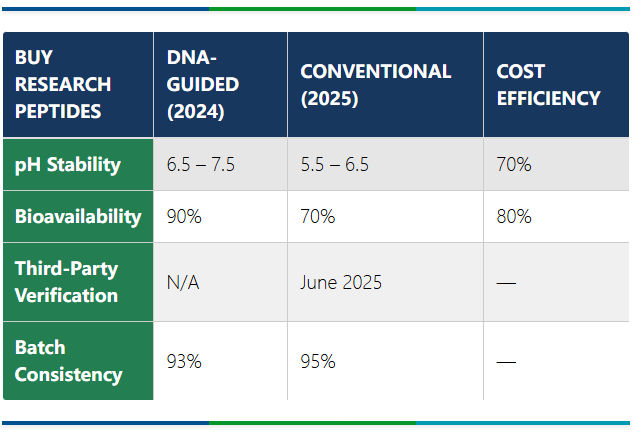
DNA-based approaches can streamline the creation of new peptide candidates. By fusing gene segments to the desired peptide, labs can accelerate the screening process and refine custom peptide synthesis.
High-Throughput Screening Methods
Automation systems synthesize thousands of peptide variants. This method reveals which amino acid combinations show the highest binding to target proteins or whether they remain stable under stress.
How Does a Monoclonal Approach Strengthen Research Outcomes?
Monoclonal experiments revolve around uniform antibody clones. Using purified peptides helps create specific binding sites with minimal cross-reactivity.
Target-Specific Validation Steps
Labs adopt step-by-step checks, from initial cell lines to final reagent adjustments. Each stage confirms that the monoclonal antibody retains specificity.
What Are the Common Pitfalls?
Poor peptide selection, suboptimal handling, or ignoring custom modifications can lead to a flawed final product. Researchers must evaluate each step to avoid harmful mistakes.