Antibody production and peptide manufacture might appear similar, but fundamental differences exist. Each process demands specialized protocols, from custom peptide synthesis to isolation procedures.
Parallel Purification Steps
Antibody and peptide processes both purify final products using advanced techniques (e.g., HPLC). Maintaining a stable environment is crucial to preserve each substance’s effectiveness.
How to Verify Molecular Weight Accuracy
Lab scientists often rely on mass spectrometry. Consistent molecular weight readings confirm no contamination—allowing them to label products with confidence.
Which Substance Combinations Are Common in DNA Investigations?
Scientists exploring DNA often rely on peptide-based methods for targeted binding. Using a substance that interacts specifically with nucleic acids can elucidate gene expression.
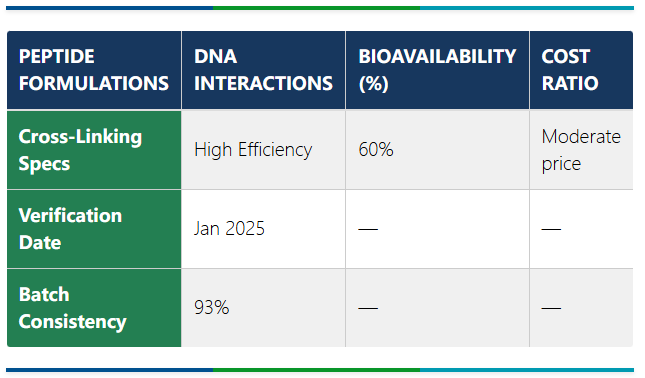
Cross-Linking Agents for Enhanced Stability
Chemical cross-linkers help maintain the stable structure of proteins and peptides under stress. This approach also preserves the DNA-peptide interaction during analysis.
Do Synthetic Tags Improve Detection?
Attaching fluorescent or labeled tags can highlight targeted sites. Labelled peptides often reveal intricate binding events in a cell, facilitating thorough analysis of the underlying biological mechanisms.
How Does H3 Histone Modification Influence Peptide Design?
Histone tails regulate gene expression. Researchers study h3 histone peptides to see how epigenetic changes shift cell function.
Epigenetic Factors in Research
Epigenetic marks, including methylation or acetylation, guide how genes are turned on or off. Their patterns can determine whether certain peptides remain stable or degrade faster in a given environment.
When to Employ Methylation Patterns
Methylation can either activate or repress gene segments. In therapeutic or diagnostic contexts, balancing these modifications is key.