Peptides are crucial because they act as signaling molecules that instruct skin cells on how to function. Whether it’s stimulating collagen synthesis or aiding in wound healing, peptides can dramatically improve skin health and appearance.
How do peptides work in cosmetic products?
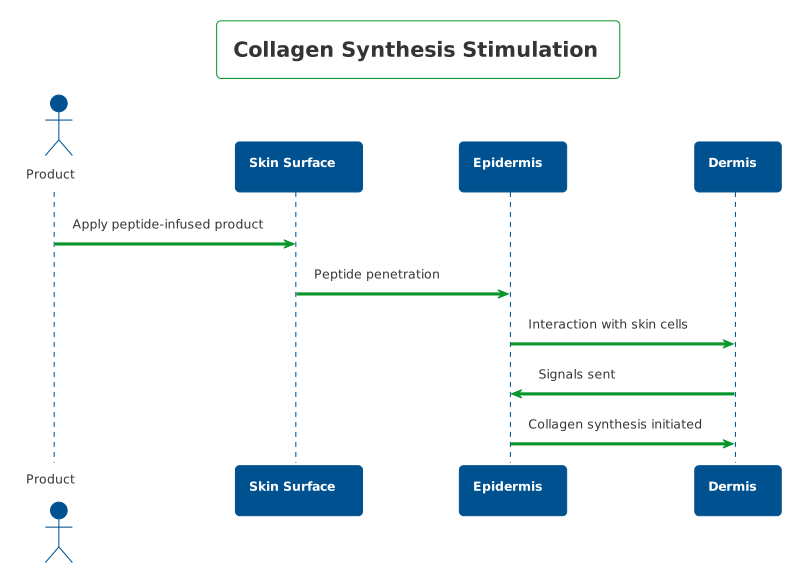
When applied topically, peptides can penetrate the skin barrier, reaching deeper layers where they stimulate skin cells. This activity of peptides triggers the skin to produce more collagen and elastin, enhancing skin firmness and reducing wrinkles.
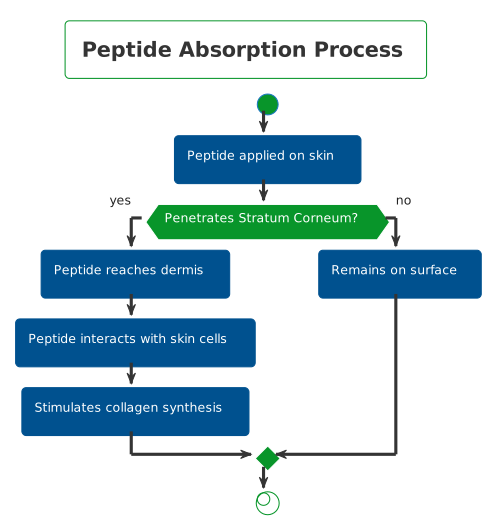
The role of peptides in anti-aging
Peptides have gained prominence for their anti-aging properties. They help in reducing skin wrinkles and fine lines by improving skin elasticity. Additionally, peptides support the skin’s extracellular matrix, offering a more youthful appearance.
Common types of peptides used in skin care
There are various peptides like signal peptides, carrier peptides, and neurotransmitter inhibitor peptides each serving unique functions such as stimulating collagen, delivering active ingredients, or reducing muscle contractions that cause wrinkles.
Understanding Bioactive Peptides
Bioactive peptides are specialized chains that can positively influence bodily functions. In skin care, these peptides possess properties that can enhance skin health.